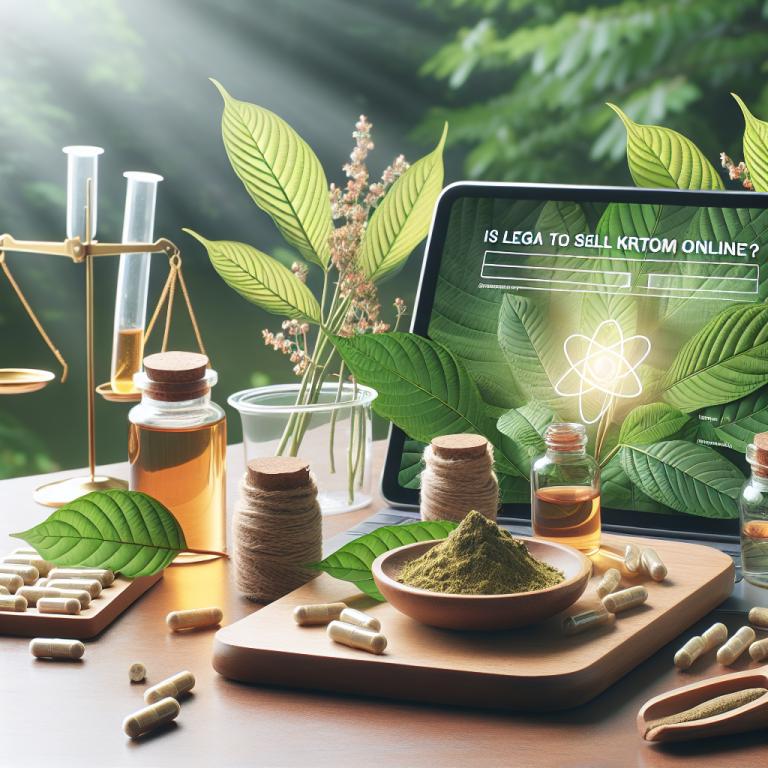

Understanding the Legality of Selling Kratom Online
Kratom has gained considerable popularity over recent years. Many people are curious about its effects and benefits. However, a significant point of interest remains its legality. Selling kratom online is a complex issue. Laws differ by country, state, and even local jurisdiction. This blog post will explore the legality of selling kratom online, the laws governing its sale, and the regulations business owners should follow.
What is Kratom?
Kratom is a tropical tree native to Southeast Asia. Its leaves contain compounds that can produce psychotropic effects. People often use kratom for various reasons, including pain relief, mood enhancement, and even as a substitute for opioids. Despite its potential benefits, kratom operates in a legal gray area.
The U.S. Food and Drug Administration (FDA) has not approved it for medical use. Some states have moved to ban kratom, while others have embraced it. This situation creates confusion for consumers and sellers alike. Understanding what kratom is can help clarify the surrounding legal issues.
The Current Legal Status of Kratom in the U.S.
In the United States, kratom is not classified as a controlled substance at the federal level. However, this does not mean that it is completely legal. Certain states, such as Alabama, Arkansas, and Indiana, have banned kratom. Others, like California and Florida, have few restrictions.
It’s crucial to stay updated on the laws in your state, as they can change frequently. Some regions require labeling and testing for kratom products. Thus, researching local regulations is vital if you’re considering selling kratom online.
| State | Legal Status |
|---|---|
| California | Legal, with some local restrictions |
| Florida | Legal, must comply with regulations |
| Indiana | Banned |
| Alabama | Banned |
| Oregon | Legal, with restrictions |
State-Specific Regulations for Selling Kratom
When selling kratom online, it’s essential to know not just the national laws but also state-specific regulations. For example, many states have different requirements for labeling. In certain areas, you must include disclaimers regarding the potential effects of kratom.
Additionally, some states have monitoring programs for kratom sellers. They may require you to register your business or obtain licenses. Therefore, familiarize yourself with the regulations in your state to avoid potential legal issues.
The Role of the FDA
The FDA plays a significant role in regulating kratom. While it hasn’t banned kratom, it has issued warnings about its use. The agency cites concerns over safety and the lack of scientific research. Despite this, the FDA’s power to regulate kratom is limited. At the federal level, kratom remains legal, but the FDA can enforce actions against sellers who make unsupported health claims.
Some businesses may market kratom as a treatment for various conditions. This practice can land them in legal trouble. If you decide to sell kratom, ensure that your marketing aligns with FDA regulations.
The Kratom Consumer Protection Act (KCPA)
A legislative measure called the Kratom Consumer Protection Act (KCPA) has emerged in some states. This act aims to regulate the sale of kratom and ensure product safety. Under the KCPA, sellers must meet specific quality standards. They may need to provide lab testing results to verify the product’s composition.
States like Utah and Colorado have passed versions of the KCPA. These laws help create a framework for the safe sale of kratom. As a seller, being aware of the KCPA can help you navigate legal waters.
Selling Kratom Online: Legal Considerations
When it comes to selling kratom online, several legal considerations come into play. First, identify which states allow kratom sales and which do not. This knowledge will guide you in your business strategy.
Second, consider your marketing strategies. Avoid making health claims that the FDA could view as misleading. Ensure that your product descriptions are factual and supported by research. Transparent marketing will not only keep you compliant but also foster trust with customers.
Quality Assurance and Lab Testing
Quality assurance is crucial when selling kratom online. Consumers are becoming more aware of product quality. They often look for lab-tested products to ensure safety and effectiveness. Thus, obtaining third-party lab testing for your kratom can significantly benefit your business.
Lab testing confirms that your products meet safety standards and are free from contaminants. This additional step will enhance consumer confidence. It also shows potential customers that you prioritize quality.
Setting Up Your Online Kratom Business
If you decide to sell kratom online, you’ll need to set up an effective business model. Here are some steps to guide you through the process:
- Research the Market: Understand your competition and identify gaps you can fill.
- Choose a Business Structure: Decide whether you want to be a sole proprietor, partnership, or LLC. Each has different legal implications.
- Register Your Business: Obtain the necessary licenses and permits based on your state’s requirements.
- Select a Payment Processor: Look into payment processors that accept kratom transactions. Some companies may not work with businesses involved in selling kratom.
- Develop Your Website: Create an informative, user-friendly website. Make sure it’s optimized for search engines to attract potential customers.
Marketing Your Kratom Business
Marketing a kratom business requires a thoughtful approach. Start by creating valuable content that educates consumers about kratom. You can write blog posts, create infographics, or produce videos demonstrating your products.
Utilize social media to reach broader audiences. Platforms like Instagram and Facebook can be effective for sharing engaging content. However, always adhere to the advertising guidelines for kratom.
Additionally, consider email marketing to keep your customers informed about promotions, new products, or valuable information about kratom.
Common Challenges in the Kratom Industry
Selling kratom online comes with its own unique set of challenges. One major challenge is facing constant legal changes. Keep abreast of local laws and any proposed legislation that could affect your business.
Consumer education is another hurdle. Many people are still unaware of kratom and its effects. This lack of knowledge can make it difficult to attract customers. Therefore, investing in quality informational content can pay off.
Lastly, be prepared for competition. Several online vendors sell kratom, and differentiating your product can be challenging. Emphasize quality, customer service, and product variety to stand out.
Potential Future Regulations
The future of kratom regulation is uncertain. While some states have embraced it, others have pushed for bans. As more research emerges, regulations could tighten or loosen.
Moreover, some advocates are pushing for kratom to be classified as a dietary supplement. Such a classification could lead to more consistent regulations. Keeping an eye on industry developments will be essential.
Why You Should Consider Selling Kratom
If you’re looking for a niche business opportunity, selling kratom can be lucrative. As awareness of its potential benefits continues to rise, so does consumer interest.
Moreover, kratom provides an alternative for those seeking natural remedies. Many people are turning to herbal solutions rather than traditional pharmaceuticals. This trend could lead to long-term growth in the kratom market.
Conclusion: Is It Legal to Sell Kratom Online?
In summary, selling kratom online is legal at the federal level in the U.S. However, you must navigate a complex web of state regulations and local laws. Research your state’s requirements, and ensure that you comply with FDA guidelines.
As with any business, quality assurance is vital. Lab testing and transparent marketing can set you apart. While the industry presents challenges, the potential rewards make it worth exploring.
Always stay informed about changes in regulations. Keeping your finger on the pulse of the kratom movement will position you for success in this evolving environment.
Frequently Asked Questions
1. Is kratom legal in the U.S.?
Yes, kratom is legal at the federal level, but some states have banned it.
2. What states have banned kratom?
States like Alabama, Indiana, and Arkansas have imposed bans on kratom.
3. Do I need a license to sell kratom online?
Yes, you may need a business license and comply with state regulations.
4. Can the FDA regulate kratom?
Yes, while the FDA hasn’t banned kratom, it can regulate claims made by sellers.
5. Should I test my kratom products?
Absolutely! Lab testing ensures product safety and boosts consumer trust.
6. What are common marketing strategies for kratom?
Content marketing, social media, and email marketing are effective strategies.
7. How can I differentiate my kratom business from competitors?
Focus on product quality, superior customer service, and educating your customers.
8. Is it safe to consume kratom?
Safety varies by individual. It’s best to consult a healthcare provider before use.
9. Could kratom become a controlled substance?
There’s a possibility, especially if more research indicates risks. Stay informed on legislative changes.
10. How do I stay updated on kratom laws?
Follow industry news, join relevant forums, and subscribe to updates from regulatory agencies.
References
About the Author